Disclosure: This post may contain affiliate links. As an Amazon Associate I earn from qualifying purchases
Every golfer reaches a point where they stop trying to fix their swing and start trying to fix their personality through equipment.
I told myself I was “investing in my game.”
In reality, I was emotionally shopping between bad shots.
This is the gear I bought in the order of hope, denial, and financial regret.
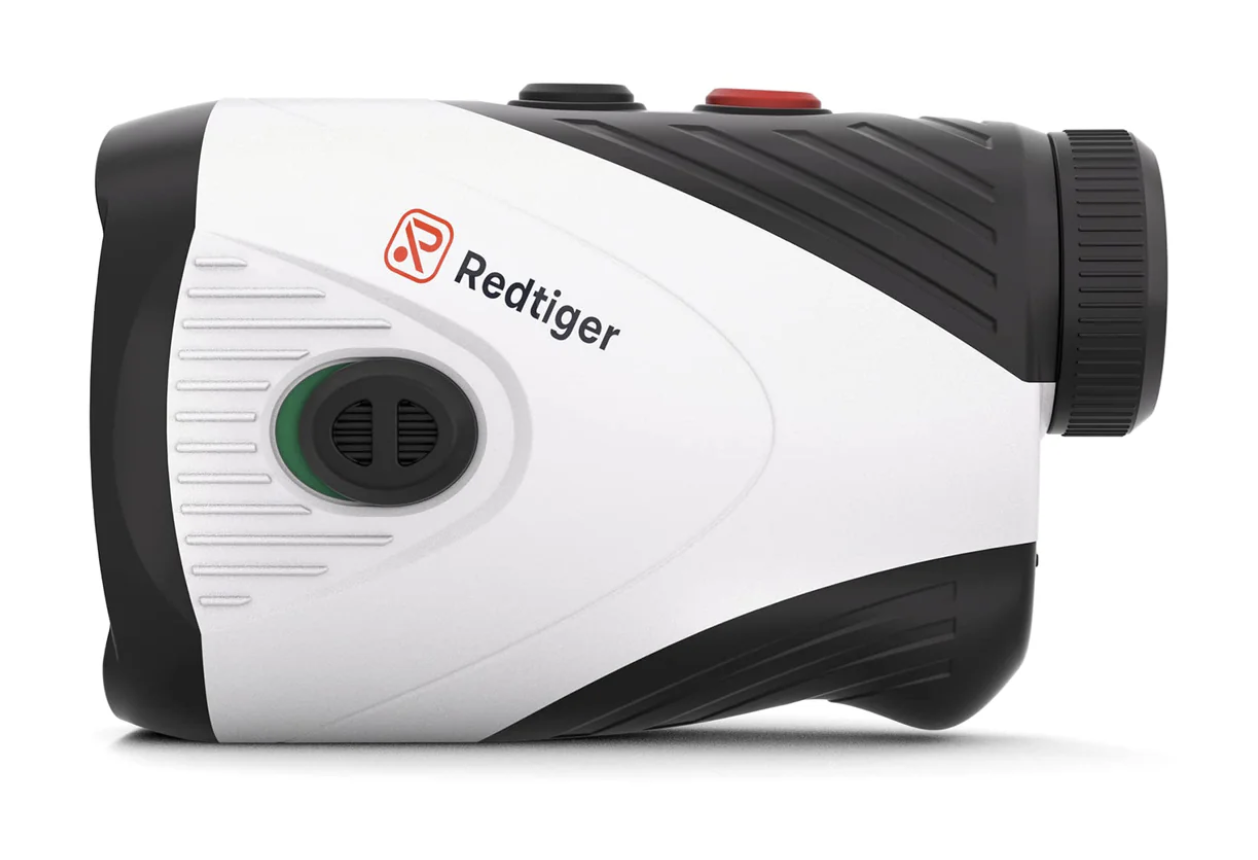
1. Rangefinder (The Illusion of Control)
I bought a rangefinder because I was tired of golf’s traditional distance system: squinting at the flag and confidently choosing the wrong club anyway.
Now I stand behind the ball like I’m calling in highly classified information. “143 metres.” Very precise. Very official.
And then I immediately ignore it.
Because apparently I trust “feel” more than lasers and satellites. The rangefinder gives me facts. I respond with vibes and a questionable backswing.
At this point, it doesn’t improve my golf—it just documents my decisions with uncomfortable accuracy.
2. Golf Watch (The Data Phase)
After ignoring perfectly good laser measurements, I decided I needed more information. Naturally.
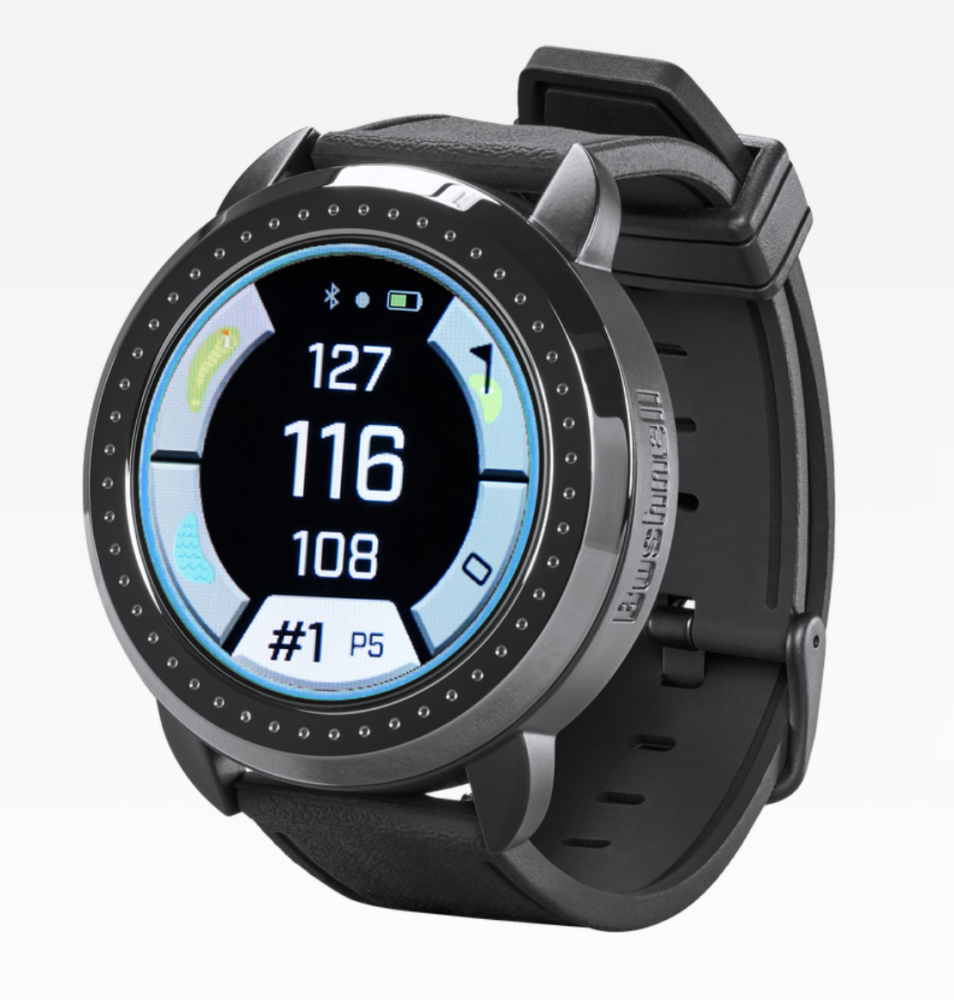
So I bought a golf watch.
Now I walk around the course like a slightly confused scientist. Distances, hazards, layups—all delivered straight to my wrist like important military intelligence.
And yet somehow, I still manage to hit the wrong club with alarming confidence.
The watch tells me the truth. I interpret it creatively.
It hasn’t improved my game so much as it has improved my awareness of how consistently I misunderstand my game.
3. Launch Monitor (The Harsh Truth Era)
This is where things stopped being fun and started being “data-driven accountability.”
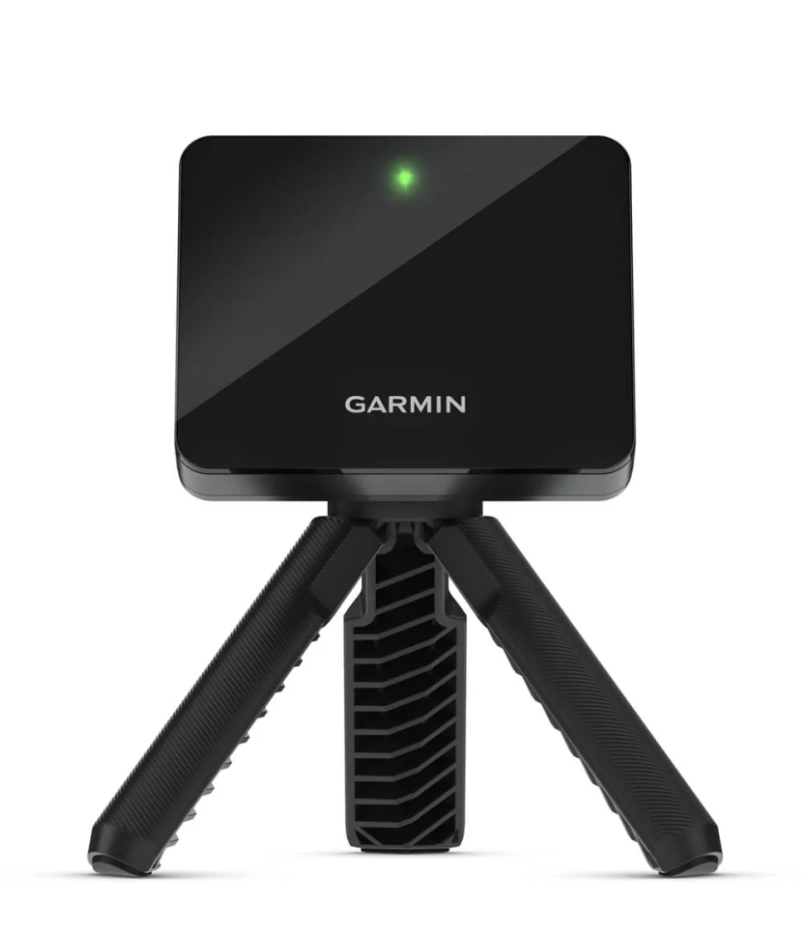
I bought a launch monitor because I wanted feedback on my swing.
What I got instead was a live broadcast of my shortcomings in HD.
Ball speed, spin rate, launch angle—all delivered with the emotional warmth of a parking ticket machine.
On the course I can blame wind, lies, and general bad luck.
The launch monitor removes all excuses and politely says: “No. That was you.”
It doesn’t fix your swing. It just gives your swing a spreadsheet and a quiet sense of shame.
4. Budget Golf Balls (Acceptance)
At this point, I’ve stopped trying to optimise my game and started optimising my losses.
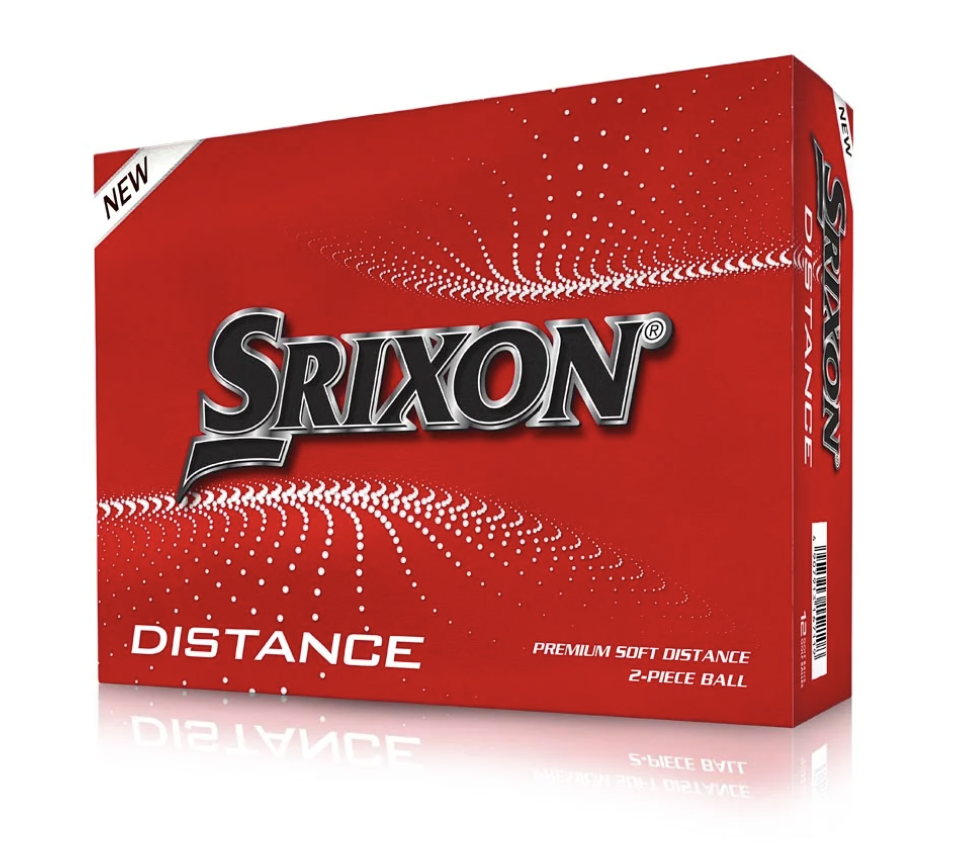
These golf balls are perfect for that.
They don’t pretend to be tour-level. They don’t promise spin, control, or dignity. They simply launch, travel, and disappear into the nearest hazard without complaint.
They are the most honest piece of equipment I own.
And financially? The first ball you lose pays for the entire dozen anyway, so everything after that is basically free emotional damage.
What I’ve Learned from All This
I’ve learned that golf gear isn’t magic—but finding the right gear can feel pretty close. 😉